School Readiness Begins in the Body: Why Core Strength Is Essential for Early Learning
When we think about school readiness, we often focus on literacy, numbers, and classroom skills. Yet one of the most overlooked foundations of learning begins in the body. A child’s core strength, the muscles of the trunk, shoulders, and torso, plays a critical role in their ability to sit upright, concentrate, and engage in classroom learning. Without adequate physical development in these areas, children may struggle long before academic challenges even begin.
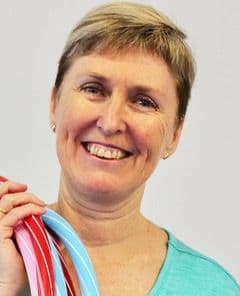
Darlene Koskinen
Movement specialist and founder of MoovKids and MoovKit
Why Core Strength Matters for School Readiness
Research increasingly highlights the importance of physical readiness for learning.
The muscles of the trunk and shoulders provide the postural control children need to sit comfortably for extended periods. When these muscles are underdeveloped, children fatigue easily.
Instead of focusing on the teacher or the activity in front of them, their attention shifts to the discomfort they feel in their bodies.
This can lead to:
Poor posture
Difficulty concentrating
Reduced stamina during learning activities
Increased restlessness in the classroom
For many children, the challenge is not a lack of ability to learn, it is simply that their bodies are not yet physically prepared for the demands of formal learning environments.
Movement Is the Key to Building Core Strength
The most effective way to develop core strength is through movement and active play.
Activities that engage the trunk, shoulders, and arms naturally strengthen the muscles needed for postural stability and endurance.
This is why movement-rich early childhood environments are essential.
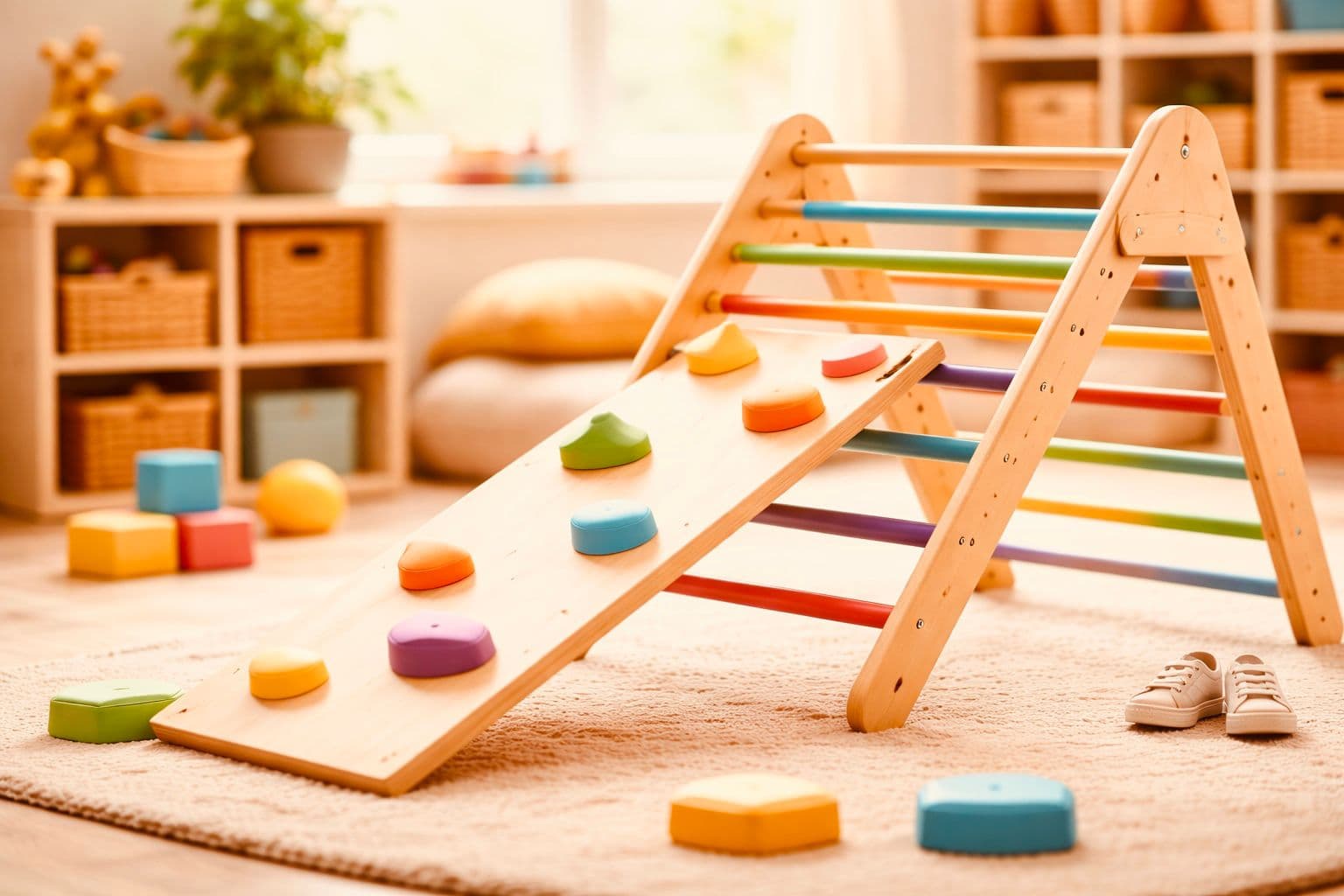
Before children are expected to sit for longer periods in school settings, they need opportunities to climb, balance, crawl, stretch, and explore their physical capabilities.
Movement builds the foundation for learning.
A Simple Posture Strategy for Early Years Settings
One practical strategy educators can use during circle time or group activities is encouraging children to kneel with their feet tucked underneath them.
This position activates the core muscles and encourages the body to remain upright and engaged.
By contrast, W-sitting often leads to slouched posture and reduced muscle engagement.
Small adjustments in how children sit can have a meaningful impact on developing the physical strength required for learning.
Five Fun Activities That Build Core Strength in Young Children
Movement should always feel playful and engaging for children. The following activities are simple, fun, and highly effective for strengthening the core.
Crab Walk
Children move across the floor with hands and feet supporting their body, strengthening shoulders and trunk muscles.
Wheelbarrow Walk
One child walks on their hands while an adult or partner supports their legs, building upper body and core stability.
Tip-Toe (Giraffe Walk)
Walking on tiptoes encourages balance and strengthens stabilizing muscles throughout the body.
Superman Pose
Children lie on their stomachs and lift arms and legs slightly off the ground, activating the back and core muscles.
Rear Support Lift
Children sit with hands behind them and feet on the floor, lifting their hips upward. For added fun, encourage them to lift one foot and “wave hello” before switching to the other.
These playful movements develop strength, balance, and body awareness while keeping children engaged and motivated.
The Physical Foundations of Focus and Concentration
A strong core supports more than just posture.
It contributes to:
improved balance and coordination
greater physical stamina
quicker reaction times
increased confidence in movement
Most importantly, it supports focus and concentration—two essential ingredients for successful learning.
Without these physical foundations, children may find it difficult to engage fully with classroom experiences.
Building School Readiness Through Movement
Developing core strength is not an optional extra in early childhood education, it is a fundamental component of school readiness.
Movement, physical exploration, and active play prepare children’s bodies for the demands of learning.
By prioritising physical development in the early years, we help children arrive at school stronger, more confident, and ready to engage fully in their learning journey.
Darlene Koskinen
Movement specialist and founder of MoovKids and MoovKit
Darlene Koskinen is a movement specialist and founder of MoovKids and MoovKit, with over 35 years of experience supporting children’s physical development. She helps educators and parents integrate purposeful movement into early childhood education to strengthen school readiness, coordination, core strength, and lifelong learning foundations. Learn more: https://linktr.ee/darlenekoskinen
LinkedIn