School Readiness: Let's Have the Honest Conversation
There's a word we use constantly in early years, and I think we've stopped questioning what it actually means. School readiness. We say it in meetings, we write it in reports, we measure for it, worry about it, and build entire programmes around it. But when I ask educators what it means in practice - what it really looks like - the answers are all over the place. And that gap matters. Because if we don't agree on what we're building towards, we can't build it well.
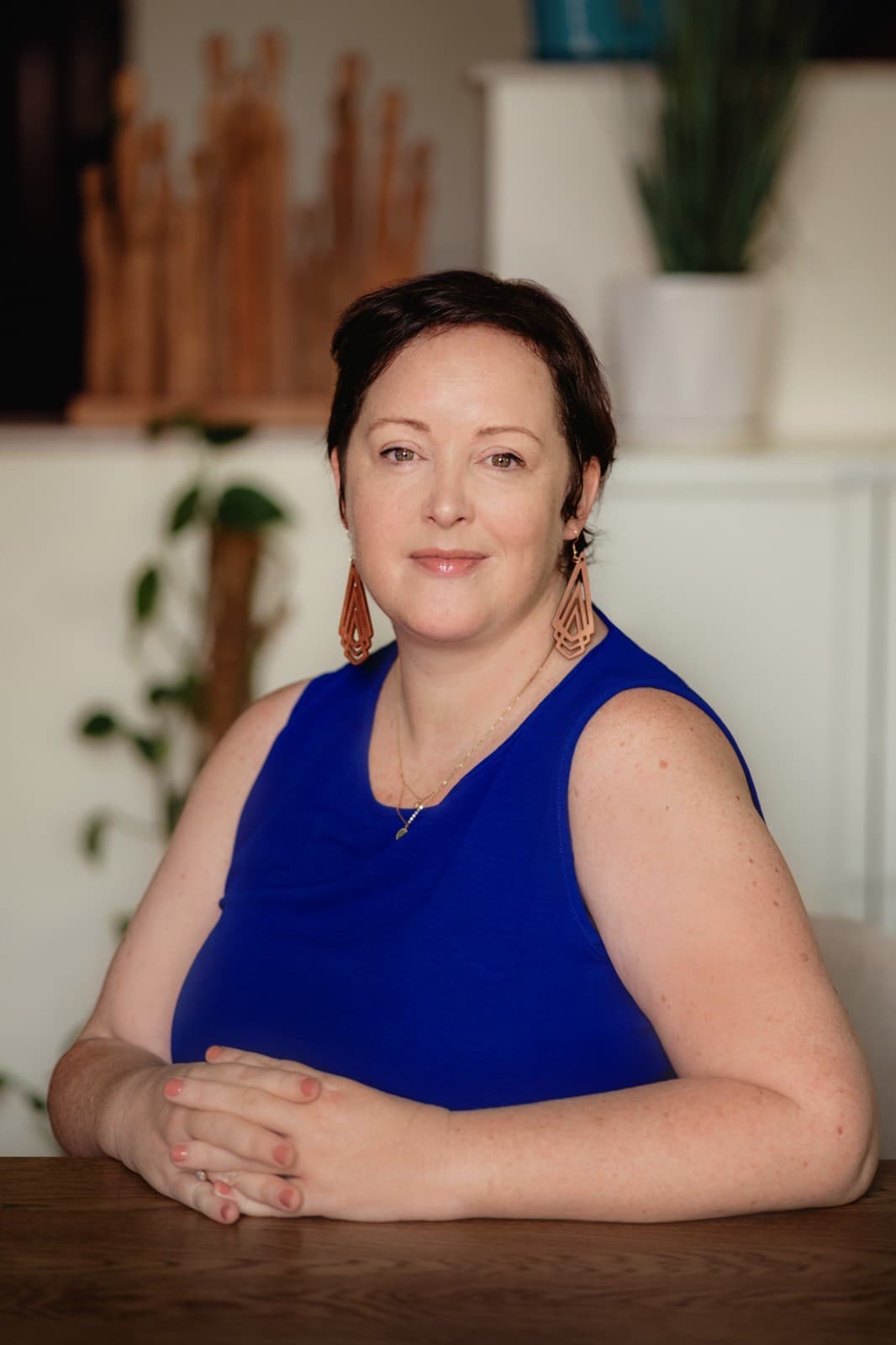
Louise Hurley
Conscious Parenting Coach and Education Advocate

I've been working with early years educators across the region recently, and one thing struck me from a survey I ran before a recent professional development session. 65% of respondents said that when they hear the term school readiness, they believe academic skills - letters, numbers, early literacy - are what's expected of children. And I understand why. That's the pressure they feel. From parents, from school expectations, sometimes from leadership.
But what we need to keep repeating to ourselves, as early years educators; letters and numbers are not school readiness. They are the outcomes of readiness. And if we chase the outcomes before we've built the foundations, we are setting children up to struggle.
The foundation is always personal, social and emotional development.
Not as one prime area among several equals - as the ground everything else is built on. A child who cannot regulate their emotions cannot attend. A child who cannot attend cannot learn. You can drill phonics with a dysregulated four-year-old until you're both exhausted, and very little will stick - because their brain is not in a state where learning is possible.
This is not a philosophical argument. It's neuroscience. When children are overwhelmed, stressed, or dysregulated, the thinking part of their brain - the part responsible for reasoning, problem-solving, empathy, and making good choices - goes offline. What takes over is the survival brain. Fight, flight, freeze. You cannot teach a child who is in that state. You can only regulate them back to a place where learning becomes possible again.
And another aspect that I don’t think we don't talk about enough is this : children cannot regulate alone. They need a regulated adult first. Co-regulation comes before self-regulation — always. Which means that the most evidence-based school readiness intervention available to any nursery or early years setting isn't a programme or a resource or a curriculum framework. It's a warm, consistent, regulated adult who understands what they're looking at when a child falls apart. And we wonder why staff well being is so critically important as we look at the challenges of school readiness!
In the same survey, 65% of educators told me that attention and listening is the biggest behavioural challenge they're seeing in children right now. I want to reframe that. Poor attention is often not a deficit. It is a regulation signal. It is a child whose nervous system is telling us something - that they don't feel safe enough, settled enough, or connected enough to be present. The response to that is not more instruction. It is relationship, routine, and co-regulation.
So what does this mean in practice? It means auditing our environments for sensory overwhelm, because a chaotic, noisy, visually cluttered space dysregulates children before the day has even started. It means treating transitions - arrival, tidy-up time, the move between activities - as the high-risk moments they are, and bringing intentionality and warmth to every single one. It means changing our language: replacing "calm down" with "I'm here, you're safe," and understanding that we have to name and validate a feeling before we can ever redirect the behaviour attached to it.
It also means being honest about the pressure educators themselves are under. The survey data was clear - teachers are exhausted. They are managing complex developmental needs, challenging behaviour, and administrative demands simultaneously, often without enough support. There is simply no denying what may be an uncomfortable truth ; a stressed, depleted adult cannot co-regulate a dysregulated child. Your nervous system is the most important resource in your classroom. Looking after it is not a luxury. It's a professional responsibility.
School readiness, done properly, belongs to everyone. It belongs to the child, yes — but it also belongs to the family, and to us, the setting. When a child is struggling, the question should never start with "what's wrong with this child?" It should start with: which layer of support is missing, and how do we provide it?
The children coming through our doors right now are carrying a lot. Their windows of tolerance are narrow, their independence skills are still forming, their capacity for separation is fragile. They are not behind. They are exactly where their experience has brought them. Our job - and it is a privilege, even when it is hard - is to meet them there and build from where they actually are.
That is school readiness. Not a checklist. Not a set of academic milestones. A relationship between a child, their family, and the adults who show up for them every single day.
And we are more than capable of it.
Louise Hurley
Conscious Parenting Coach and Education Advocate
Award-nominated Parent Coach with 20+ years in education and an MEd in Metacognition, specialising in how children think, learn, and behave. Works with families, schools, and nurseries to support behaviour, family dynamics, and parenting challenges. Based in Dubai with a global reach, offers evidence-based, culturally aware strategies tailored to each family, helping parents navigate challenges and create lasting, positive change.
LinkedIn